


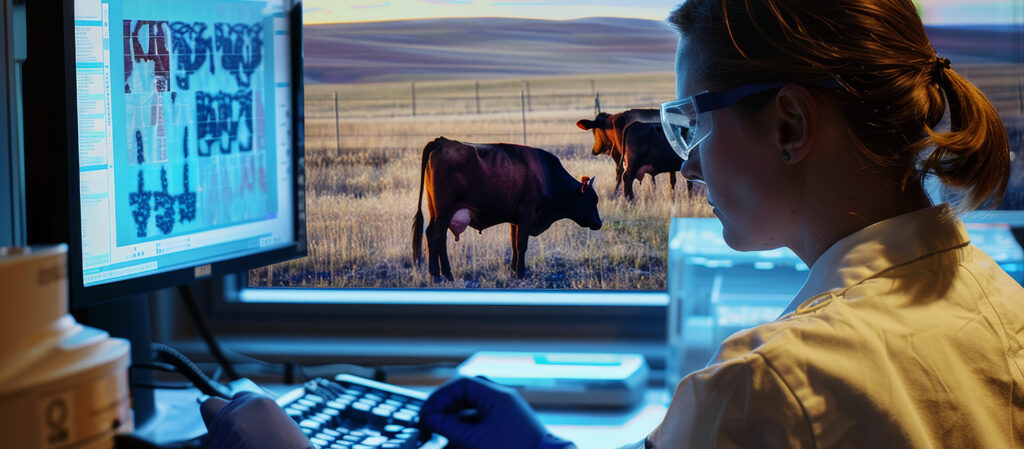
Advancing Veterinary Diagnostics: Technology at the Core of Animal Health
The Silent Revolution in the Clinic
I’ll never forget the first time I saw a veterinarian use a portable digital X-ray sensor on a Great Dane with a suspected gastric torsion. The image appeared on the tablet in seconds, crystal clear. There was no fumbling with film cassettes or chemical tanks; just swift, decisive information that led directly to life-saving surgery. In that moment, it was abundantly clear: the technological revolution that transformed human medicine had firmly arrived in the veterinary clinic, and it was changing everything.
For too long, veterinary diagnostics operated in the shadow of its human counterpart. But that era is over. We are now in a golden age of innovation where advanced technology is no longer a luxury for a few specialized referral centers, it is becoming the core tool for general practitioners to deliver a standard of care we once only dreamed of. This isn’t just about better machines; it’s about a fundamental shift towards precision, prevention, and a deeper understanding of our animal companions.
The Diagnostic Shift: From Intuition to Data-Driven Insight
The practice of veterinary medicine has historically relied heavily on physical examination and clinical intuition, skills that will always be paramount. However, the integration of sophisticated diagnostic tools is creating a powerful synergy between the art and science of healing.
- The Point-of-Care (POC) Revolution: Speed Saves Lives
The single biggest change in daily practice is the proliferation of in-clinic, bench-top, and handheld analyzers. Modern POC blood analyzers can deliver a complete blood count (CBC) and full biochemistry profile in under 12 minutes. This means that while a dog is being prepped for surgery, the surgeon can know its electrolyte status, organ function, and clotting ability.
- The Veteran’s Perspective: I’ve witnessed the “wait-and-see” approach evolve into “test-and-know.” The ability to get immediate answers transforms decision-making. It turns a vague presentation of lethargy and inappetence into a specific diagnosis like pancreatitis or hypothyroidism before the owner has even left the clinic. This speed reduces patient stress, improves outcomes, and dramatically enhances client communication and trust.
- Advanced Imaging: Seeing the Unseeable
Digital radiography has set the stage, but the real game-changers are ultrasound, CT, and MRI. High-frequency, portable ultrasound machines allow for detailed real-time imaging of the heart, abdomen, and even tendons in the exam room.
- The Industry Angle: The miniaturization of technology and reduction in cost is making advanced imaging accessible. What was once only available at a university hospital is now within reach for progressive private practices. The ability to perform a cardiac echo in-house to definitively diagnose cardiomyopathy, or to use a CT scan to precisely plan a complex spinal surgery, represents a quantum leap in diagnostic capability. It moves the diagnosis from a presumptive “it might be” to a definitive “this is what it is, and here is its exact location.”
- Molecular Diagnostics: The Power of PCR
Polymerase Chain Reaction (PCR) testing has moved from a research tool to a clinical staple. For infectious diseases, it is unparalleled. Instead of waiting days for a culture or relying on less sensitive tests, a PCR panel can identify the DNA of a specific pathogen, be it parvovirus in a puppy, feline leukemia virus, or a tick-borne illness like Anaplasma, with incredible accuracy.
- The Data-Driven Impact: This precision is crucial. It prevents the misuse of broad-spectrum antibiotics, allows for targeted treatment, and is essential for managing disease outbreaks in shelters and multi-animal environments. The data from these tests also contributes to wider epidemiological understanding, mapping the spread of diseases geographically.
The Convergence: Data, Connectivity, and the “One Health” Paradigm
The future lies not in standalone devices, but in integrated diagnostic ecosystems. The next frontier is the seamless flow of information.
- Integrated Practice Management Systems: Modern POC devices and digital imaging systems can wirelessly transmit results directly into the patient’s digital medical record. This eliminates transcription errors, creates a rich, searchable database of patient history, and allows for powerful data trending over an animal’s lifetime.
- Telemedicine and Remote Expertise: A high-resolution digital image or ultrasound clip can be instantly shared with a board-certified radiologist or cardiologist for a second opinion. This democratizes expertise, allowing a general practitioner in a rural area to offer a level of diagnostic confidence that rivals a metropolitan specialty center.
- The “One Health” Connection: The data generated in veterinary clinics is becoming a critical sentinel for public health. Tracking trends in animal diseases can provide early warning systems for zoonotic threats, diseases that jump from animals to humans. Our diagnostic work at the clinic level now contributes to a global network of health intelligence.
The Challenges: Navigating Cost, Training, and Implementation
This technological advancement is not without its hurdles. The capital investment for advanced equipment is significant. Furthermore, a machine is only as good as the person operating it and interpreting its data.
- The Veteran’s Advice: The key is strategic, phased implementation. Start with a core POC blood analyzer and digital radiography, as these offer the highest daily return on investment. Then, as the practice grows, consider adding ultrasound. Crucially, investment in technology must be paired with investment in people. Continuous training for veterinary technicians to become proficient in operating this equipment is non-negotiable. The goal is to build a team that is as advanced as the technology they are using.
Conclusion: A New Standard of Compassionate Care
The advancement of veterinary diagnostics is a story of empowerment. It empowers the veterinarian with clearer answers. It empowers the pet owner with more definitive prognoses and informed choices. Most importantly, it empowers our patients, the animals, with a future where disease is identified earlier, treated more effectively, and managed with greater compassion.
We are no longer just treating animals; we are leveraging technology to become their most articulate advocates, understanding their ailments with a clarity that was once impossible. This is the core of modern animal health, where every pixel in an image, every data point on a lab report, translates into a longer, healthier life for the creatures we are dedicated to serving.