

Revolutionizing Patient Care: The Rise of Smart Biomedical Equipment
Introduction: The Shift from Manual Care to Intelligent Systems
When I first began working in the biomedical engineering field, hospitals were largely mechanical ecosystems. Devices were functional, but isolated. Nurses manually adjusted ventilators, clinicians recorded readings on paper, and calibration meant aligning analog dials by hand. Accuracy relied heavily on human consistency, and even the best instruments had limitations.
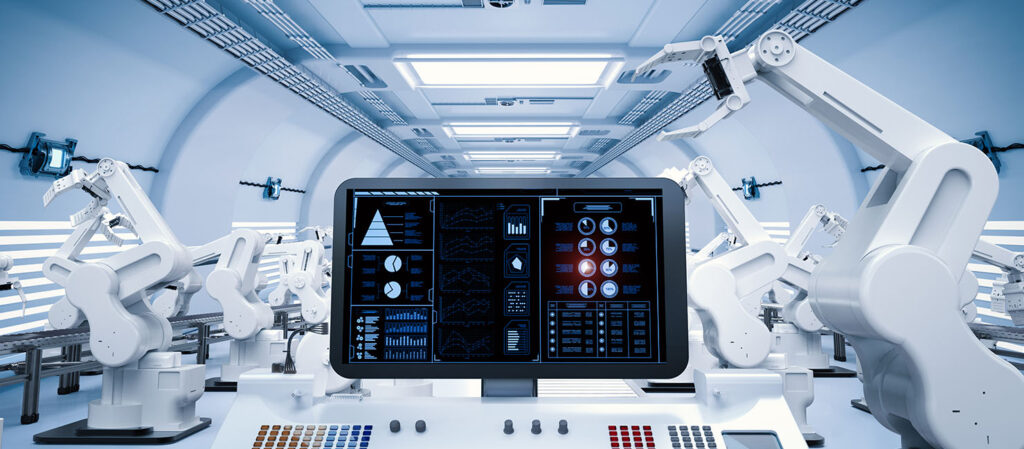
Today, we live in a different world. The healthcare landscape has transformed into an intelligent network of connected, data-driven systems. Smart biomedical equipment, powered by artificial intelligence (AI), the Internet of Things (IoT), and cloud computing, is reshaping how hospitals operate and how patients receive care.
These innovations are not simply modern conveniences; they represent a monumental leap toward precision, safety, and efficiency. Devices no longer just perform, they think, analyze, and adapt. And in this new paradigm, the role of engineering is not only to innovate but to ensure reliability, performance, and trust.
Smart Biomedical Equipment: What Defines “Smart” in Modern Healthcare
“Smart” medical technology extends far beyond digital displays or automated features. It refers to systems that can communicate, interpret, and respond autonomously to real-time data.
Examples include:
- Smart infusion pumps that automatically adjust dosage based on patient vitals.
- AI-enabled diagnostic imaging systems capable of identifying anomalies with precision beyond human capability.
- Connected monitoring devices that transmit continuous patient data to electronic medical records.
- Predictive maintenance systems that detect early signs of equipment malfunction before failure occurs.
Each of these represents an evolution in reliability and responsiveness, but also introduces new demands for precision calibration, cybersecurity, and compliance.
At Medical Engineering & Services (MES), we’ve seen first-hand that innovation is only as strong as the standards behind it. A connected device that operates out of calibration can undermine the very benefits it promises. That’s why our NABL-accredited calibration laboratory exists, to ensure every measurement, reading, and diagnostic result meets exacting international standards.
The Role of Calibration in the Smart Equipment Era
In a world where devices are expected to self-regulate, one might assume calibration is becoming obsolete. The opposite is true. As biomedical systems become more advanced, precision requirements tighten.
Consider the difference between a conventional balance used in a hospital pharmacy and a smart analytical balance in a genetic testing lab. The former may measure milligrams; the latter must achieve microgram accuracy under controlled conditions. Even a fractional deviation could alter outcomes.
At MES, our calibration teams specialize in maintaining this integrity. Using traceable standards and advanced instrumentation, we perform multi-disciplinary calibration services covering:
- Micropipettes
- Analytical balances
- Pressure and temperature devices
- Medical imaging and diagnostic equipment
- Laboratory glassware and volumetric devices
We also validate performance through systematic testing, ensuring instruments not only meet manufacturer specifications but perform consistently in real-world conditions.
Smart equipment depends on the quality of the data it generates. And that data depends on calibration precision, a truth that will remain constant, no matter how digital healthcare becomes.
Integrating AI and IoT: Transforming Patient Safety
AI and IoT have done more than just improve equipment functionality—they’ve revolutionized how healthcare institutions manage patient safety.
Smart monitoring systems can detect subtle physiological changes that might precede critical events. Predictive models alert clinicians before a crisis occurs. Machine learning algorithms analyze thousands of patient records to optimize treatment pathways.
But for this technology to function reliably, every sensor and input device must deliver accurate readings. A single miscalibrated oxygen sensor or temperature probe can compromise not just one patient’s safety, but the entire AI model it feeds into.
At MES, we partner with hospitals and research centers to bridge the gap between innovation and precision. Our engineering teams provide calibration, testing, and certification to ensure that every data point—from heart rate monitors to laboratory analyzers—reflects the highest level of accuracy.
Because in a connected ecosystem, one error can cascade into many. And patient safety leaves no room for approximation.
The Human Side of Smart Technology
Despite automation’s dominance, healthcare will always remain human-centered. Smart devices can assist, predict, and guide, but they cannot replace empathy or professional judgment.
As engineers, we view technology as a tool—an extension of human capability. The smarter it becomes, the more it relies on human understanding. That’s why training and education are central to MES’s mission.
We conduct hands-on workshops and equipment handling sessions for medical professionals, ensuring they understand not just how to use devices, but how to interpret their behaviors. Smart technology requires smart users, and empowering them is as critical as maintaining the machines themselves.
Regulatory Standards and Quality Commitment
With innovation comes accountability. Biomedical equipment must comply with a growing range of international standards, including ISO/IEC 17025:2017, ISO 13485, and NABL accreditation requirements.
MES’s long-standing commitment to quality ensures every service aligns with these frameworks. Our engineers maintain rigorous documentation, traceability, and performance verification, ensuring full compliance with regulatory authorities and hospital quality assurance teams.
But compliance, to us, isn’t just about certification. It’s about trust. Trust that every calibrated device will perform precisely when it matters most—in the operating room, the laboratory, or the ICU.
The Road Ahead: AI, Predictive Maintenance, and Beyond
Looking ahead, biomedical technology will continue to evolve rapidly. AI-driven predictive maintenance will soon enable hospitals to identify issues before devices fail. Digital twins-virtual models of biomedical systems, will simulate performance in real time. 3D-printed biomedical parts may redefine customization and efficiency.
MES is already preparing for this future. Our R&D division is integrating data-driven calibration records and IoT monitoring dashboards to help clients visualize performance trends over time. The goal is simple: make healthcare safer, faster, and more reliable through engineering foresight.
Conclusion: Precision with Purpose
Technology will continue to change healthcare, but one constant remains precision saves lives. Whether through a smart ventilator adjusting airflow or a calibrated analyzer detecting a life-threatening imbalance, accuracy is the invisible foundation of every decision.
At MES, we’ve spent decades building that foundation. Our work ensures that innovation and reliability walk hand in hand, empowering doctors, researchers, and caregivers to perform with confidence.
Because when it comes to healthcare, being “smart” isn’t just about advanced technology, it’s about unwavering accuracy, accountability, and care for every human life connected to it.